HEADACHE is one of the most common nonspecific symptoms of various diseases and pathological conditions, which is a pain in the head or neck region.
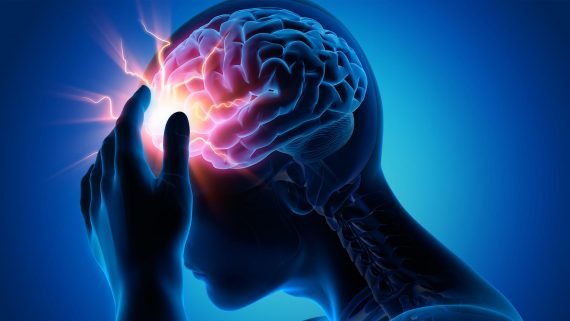
Headache ranks first in the world in terms of frequency of occurrence among episodic pain syndromes (expressed up to 10 days a year) and in third place (after joint pain and dorsalgia) – among chronic pain syndromes occurring in patients from 10 to 100 days a year.
Headaches are of various types.
First of all, all types of headaches are divided into two large groups: primary headache and secondary headache.
Primary headaches include:
- Tension headache
- Migraine
- Cluster headache
- Other trigeminal autonomic cephalalgias
Secondary headaches include:
- Headaches associated with head and/or neck trauma
- Headaches associated with vascular lesions of the skull and cervical spine
- Headaches associated with non-vascular intracranial lesions
- Substance-related or withdrawal headaches
- Infection-related headaches
- Headaches associated with impaired homeostasis
- Head and facial pain associated with abnormalities in the structures of the skull, neck, eyes, ears, nasal cavity, sinuses, teeth, mouth, or other structures of the skull and face
- Headaches associated with mental illness
Primary headaches occur in most headaches.
The very concept of a headache is quite broad – it can be a pain in the temple, forehead, back of the head, parotid region, behind the eyeball, in any particular part of the face. And therefore, patients with a headache complaint can turn to various specialists – therapists, neurologists, dentists, ENT doctors, ophthalmologists. The task of the specialist is, by the nature of the complaints, symptoms, and examination data, to determine the possible cause of the pain, refer to the necessary specialist and prescribe additional research methods necessary in this case.
To make the correct diagnosis, and, accordingly, the correct treatment, the following examination methods are necessary:
- General blood analysis
- Coagulogram
- Echoencephaloscopy
- Rheoencephalography
- Electroencephalography
- Examination by an ophthalmologist
- Skull X-ray
- CT scan
- Magnetic resonance imaging
- Multispiral computed tomography
- And other research methods and consultations
It must be remembered that a headache can be a symptom of both chronic diseases and acute, and sometimes even dangerous diseases, and may require quick action, that is, an early visit to a doctor or even calling an ambulance. These so-called “red flags” for headaches are:
- Acute, unbearable headache for the first time
- Increased headache intensity
- Association of headache with nausea, vomiting, fever
- Headache after exercise, cough
- Persistent headache that does not stop with medication
- Headaches debut after 50 years
- Persistent headache that recurs in only one half of the head each time
In all these cases, you need to see a doctor as soon as possible and not self-medicate.
Everyone should take care of their health. If any symptoms occur, it is necessary to consult a doctor, only he can determine the cause of this condition, direct him to the examinations and consultations of specialists necessary in a particular case, and prescribe the correct treatment. And timely and adequate therapy is the key to successful treatment!