MSCT is a method of radiation diagnostics, which allows you to achieve a highly detailed image of the organ.
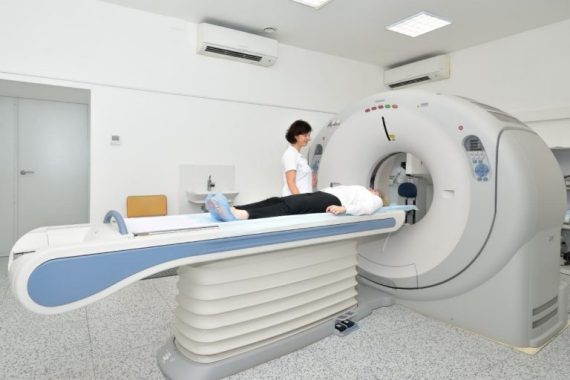
MSCT allows to visualize any anatomical region with the same efficiency. So, MSCT is used to diagnose diseases of the heart, blood vessels, and internal organs. The technique carries a minimum of danger, is characterized by a relatively low radiation exposure to the patient’s body.
MSCT is used for the primary diagnosis of diseases, as well as to verify a previously established diagnosis. Confirm it with a high-precision imaging technique.
Differences between MSCT and MRI:
- Imaging method: MSCT is X-rays, MRI is magnetic waves that are reflected from tissues.
- Oncodiagnostics: MSCT is preferable.
- Indications: MSCT – the method of choice for visualization of bone structures, MRI – soft organs and tissues.
- Contrast agent: in MSCT – iodine preparation, in MRI – based on gadolinium (less allergenic than based on iodine).
- Frequency: MSCT – according to indications, MRI – no restrictions.
- The presence of metal and electronic implants in the body, tattoos with metal-based paint: MSCT – no contraindications, MRI – contraindicated.
- Children’s age, pregnancy: MSCT is contraindicated, MRI is allowed from the 12th week of pregnancy (children under 7 years old are performed under anesthesia).
- Duration of the procedure: MSCT – 5-15 minutes, MRI – up to 30 minutes.
Contraindications to MSCT:
- Pregnancy at any time. Since MSCT, with a potentially lower radiation exposure, still creates risks for the fetus. How serious – the researchers still find it difficult to say.
- Age up to 14 years. Since the experience of diagnosing by the MSCT method when working with children is very scarce. These are extra risks.
- Mental disorders, excluding the ability to adequately think and perceive reality.
- Inability to remain stationary. With severe pain, hyperkinesis or for other reasons.
- Body weight over 120 kg. What is connected with the technical characteristics of the tomograph.