The laboratory of the DMC Clinic it is
- Quality. Quality control is carried out at all stages, research is carried out on closed-type equipment with minimal human factor influence.
- Price. Affordable prices without overpayment for the analysis.
- B You can be sure of the reliability of the results obtained
- Expert class equipment. We use only proven equipment of European standards, which has all the necessary certificates.
- Experienced doctors and laboratory assistants. Our doctors and laboratory assistants are constantly improving their skills.
- The shortest time possible. You will receive test results as soon as possible.
- World class quality. The quality of our services is in no way inferior to those in the US and Europe.
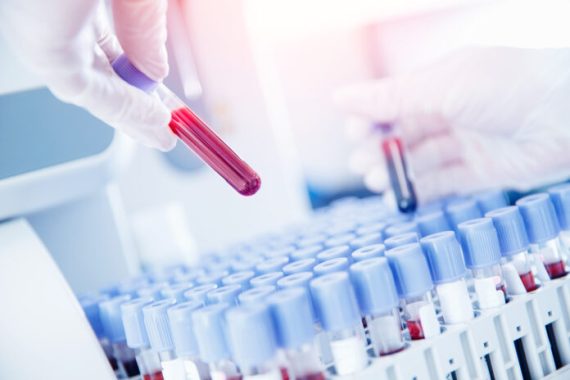
Preparation for laboratory research
Most clinical studies are conducted on an empty stomach, 10-12 hours before sampling.
It is not recommended to conduct laboratory diagnostics (especially biochemical studies) after:
- physiotherapeutic procedures;
- taking alcohol, drugs;
- x-ray diagnostics;
- taking certain medications;
- excessive physical exertion.
All the nuances of preparation for the study will be explained by the attending physician.
How long to wait and how to get results?
The waiting time for results depends on the type of study. Some tests are performed on the day of the study, while others require a longer time. For example, in order to evaluate the result of microbial culture, one should wait for the growth of bacterial flora from the biomaterial on a nutrient medium. It is impossible to speed up this process.
After the study is completed, the results of the analyzes can be obtained at the registration.
Factors that are taken into account when evaluating the results of the study:
- age;
- gender;
- nature of nutrition;
- physical activity;
- pregnancy;
- stress;
- position of the body when taking the biomaterial;
- working conditions;
- medication;
- conducting diagnostic studies on the eve of taking the biomaterial.
The result of a laboratory test is not a diagnosis; for a full diagnosis, a consultation with a specialized specialist is necessary, as well as additional research methods!