JETT PLASMA LIFT MEDICAL

This is an innovative device that generates a micro-flow of plasma (ionized gas), which allows it to be used for non-surgical atraumatic blepharoplasty.
The impact is very accurate and superficial – only on the layers of the dermis (skin), without affecting the deep tissues, which ensures quick rehabilitation after the procedure.
JETT PLASMA LIFT MEDICAL performs direct current fulguration (plasma cauterization) in an area of just 0.1 mm2.

As a result, the mechanisms of specific reactions are triggered, as a result of which the tissue is renewed and strengthened, the elasticity and protective properties of the skin increase.
Advantages
- painlessness;
- anesthesia is not required, performed under local anesthesia;
- without scars and scars;
- uniform depth and high accuracy of impact on tissues;
- point narrowly targeted impact;
- quick recovery after the procedure;
- persistent results obtained;
- safety and additional protection for the patient (the device automatically turns off in case of a technical malfunction);
- The instrument does not require disposable consumables.
- The device complies with ISO requirements and has an EC certificate.

Main indications:
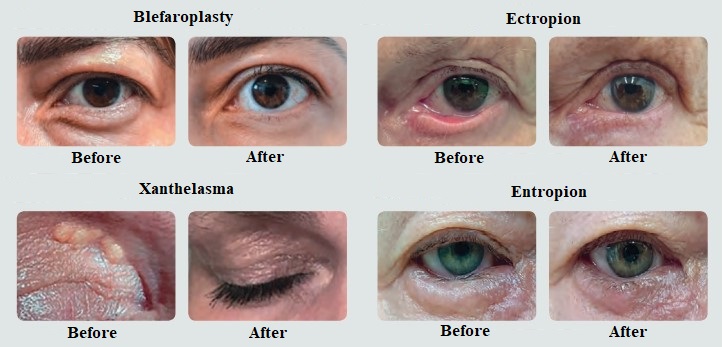
- non-surgical blepharoplasty of the lower and upper eyelids
- chronic blepharitis;
- xanthelasma (lipoma, sharply delineated yellowish deposits of cholesterol under the skin);
- trichiasis (abnormal growth of eyelashes towards the eyeball, causing irritation and injury to the cornea);
- districhiasis (growth of eyelashes in different directions);
- hemangiomas (a benign vascular tumor that develops from the endothelium (the tissue that lines blood vessels) and is the result of a vascular disorder);
- keratosis (keratinization and thickening of the skin);
- ectropion (eversion of the lower eyelid);
- entropion (inversion of the eyelid, a disease in which the edge of the eyelid and eyelashes are turned towards the eyeball).
Contraindications:
- pacemaker, blood pressure Holter monitor, or other implanted electrical devices;
- epilepsy;
- pregnancy;
- the presence of metal implants at the treatment site;
- skin diseases or inflammations;
- acute inflammatory disease;
- oncological disease;
• Allergy to local anesthetics or disinfectants.