Brain and spinal cord injuries remain one of the most pressing problems of both traumatology, neurosurgery, neurology, and medicine as a whole. This is due to a number of reasons – a high frequency of injuries, high mortality and disability rates, a significant number of complications, and a large spread among people of the most active age, which, in turn, postpones the imprint on the social factor.
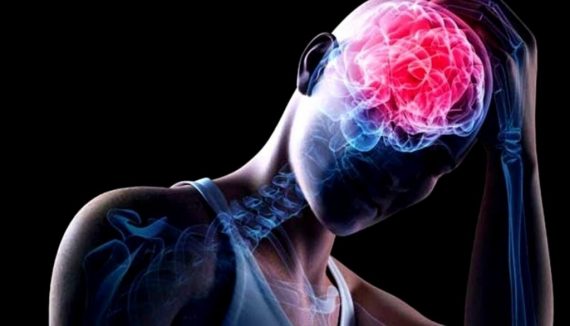
Every year, 1.5 million people die from traumatic brain injury in the world, and 2.4 million remain disabled. Complications of injuries associated with damage to the brain and spinal cord, cause gross neurological disorders (paralysis, dysfunction of the pelvic organs, etc.), which lead to a restriction of self-care, movement, social and psychological maladjustment.
Most of the people who suffered this or that injury remains disabled for life. And it is these patients who need adequate, comprehensive, and ongoing rehabilitation. Rehabilitation of such patients helps to improve, develop the lost functions, helps to adapt to the deficit of a particular function and learn to compensate for it in other ways, contributes to the psychological and social adaptation of the patient. It is important to know and remember that only timely, multidirectional rehabilitation is able to restore the patient as much as possible in each particular case.

The tasks of rehabilitation after cranial and spinal injuries are:
- Restoration of the patient’s functions in all spheres of life (medical, social, emotional, professional rehabilitation)
- Pain reduction
- Recovery of optimal functions necessary in the patient’s daily life
- Prevention of injury complications
In the clinic of Dr. Maksudova, rehabilitation after injuries is carried out by a multidisciplinary team. Each member of this team performs its function in the most comprehensive, safe, efficient, high-quality, and comfortable recovery from injuries.
A patient who enters the clinic must undergo the necessary examination, he is consulted by the necessary specialists – the amount of rehabilitation measures specifically for this patient is determined, taking into account the indications and contraindications to certain methods of treatment and rehabilitation. The initial clinical status of the patient is also determined (the degree of dysfunction is determined), according to which an individual program of therapeutic measures is created. At the end of the course, the clinical status of the patient is re-analyzed to assess the effect of rehabilitation obtained.
During the course of rehabilitation, some work is also being done with relatives, relatives of the patient who are caring for the patient at home. Specialists teach them how to continue (and to what extent) rehabilitation at home, as rehabilitation must be continuous and comprehensive.
Our goal is to help the patient in the fight against the disease and return him the desire and the opportunity to live fully!