


Tensor cephalalgia or tension headache is a headache that occurs in response to mental stress resulting from acute or chronic stress.
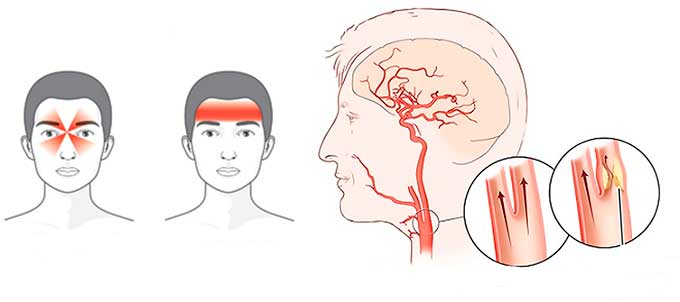
The prevalence of tension headache (HAT) in the general population is up to 70%.
The peak incidence occurs in the fourth decade of life, and the likelihood of getting sick increases with an increase in the socio-economic status and educational level of a person.
Studies conducted in developed countries, in particular in the United States, demonstrate that HAT ranks third in terms of material costs among neurological diseases after dementia and cerebrovascular accident.
The main signs of tension headache are as follows:
- Non-pulsating headache
- The head is as if squeezed by a hoop, a helmet
- Pain is not aggravated by normal physical activity
- Mild to moderate pain that does not interfere with daily work
- Bilateral pain distribution
There is episodic and chronic HAT. With episodic HAT, pain bothers less than 15 days a month, and with chronic – more than 15 days a month for at least 6 months.
An episodic tension headache often occurs against the background of changes in visual acuity, with the pathology of the occlusion of other conditions. Chronic HAT is often combined with depression; such patients are also worried about anxiety, insomnia, and decreased appetite.
In the treatment of tensor cephalalgia, along with medications (analgesics, non-steroidal anti-inflammatory drugs, and muscle relaxants), methods such as relaxing massage of the cervical collar zone, autogenous training, acupuncture, physiotherapy, and computer biofeedback (BFB) are often used. All of these methods are mainly aimed at relaxing the pericranial muscles, which are almost always in a state of spasm, excessive tone in this disease. They also help to relax the patient, calm down, and improve mood. It should be noted that the method of biofeedback therapy has a level of proven efficacy A (the highest level of evidence) in the prevention of tension headaches.